Overlooked, yet essential
Often underestimated, everyday structures play a vital role in transport infrastructure and regional development. Whether newly built or undergoing rehabilitation, their abundance reflects their ability to meet simple yet essential connectivity needs: restoring continuity, protecting spaces and ensuring safe passage.
Yet their functional nature too often relegates them to generic designs, depriving users of a sense of place, emotional connection and distinctiveness — and ultimately limiting genuine social ownership and engagement.
To move beyond standardisation and short-lived design trends, it is essential to recognise their hidden strengths and harness them as drivers of innovation and social cohesion.
Infrastructure serving both people and place
- Green noise barriers, interactive artworks and biodiversity integration
By incorporating vegetation, public art and ecological considerations, these structures can become more than purely technical assets. They can actively contribute to the quality of life of the communities they serve.
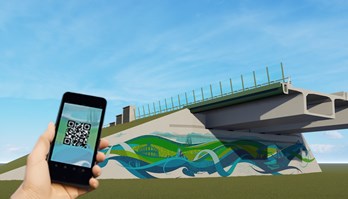
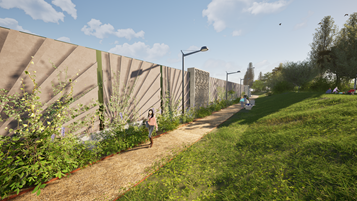
- A visual identity rooted in local character
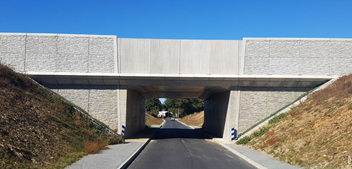
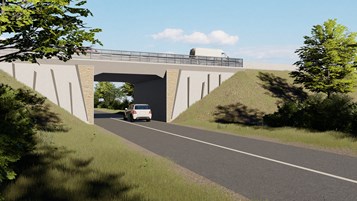
Locally inspired forms and materials can create structures that tell the story of their surroundings and reflect the identity of the places they belong to.
- Low-carbon structures embedded in their environment
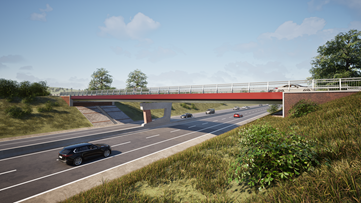

The use of recycled and low-carbon materials — such as timber structures and façades made from reclaimed bricks — helps reduce environmental impact while strengthening the connection between infrastructure and place.
Beyond design alone, it is their deep connection to a territory, supported by a collaborative and evolving approach, that ultimately ensures their long-term success.